
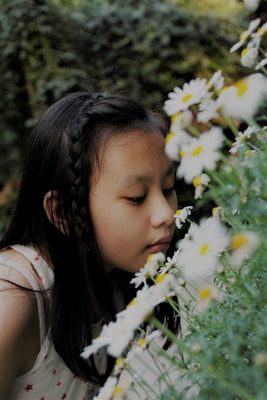
We all love novels full of sensory detail—the rhythmic pulse of crickets. The opalescent colors of a summer twilight. Sight, in particular, is the chief organ we turn on the world, unless we’re unfortunate enough to have lost that faculty. We go through the world seeing things, noticing. From our primeval origins in the trees, it’s that ability that has made us safer and let us catch our prey. After that comes hearing. We get many of our signals from our ears, whether a sudden unnatural stillness that proclaims the presence of a stalking lion or a whistle that summons us to the side of friends. Our sensory world is deeply based in those two perceptions. Any decent novel needs to fill the readers’ imaginary eyes and ears with the world she has created or they’ll have to grope their way through it blind and deaf. And that’s no fun at all. Who wants to read a book that leaves them floating in a thick, impenetrable cloud?
But wait! There’s more!
But too often our descriptions end with sight and sound, even though there are other senses as well. Taste and touch only kick into action when we make a point to activate them—when we put something in our mouth or brush it with our fingers. Sometimes the warm breeze (or icy draft) caresses us unsolicited, of course, and that sort of sensual detail needs to be part of any description as well. But the fifth sense is as universal as sight and sound. We smell things whether we like it or not. It’s as unavoidable as breathing.
Yet how often have you read a book that describes the perfume of a summer evening (see above)? Or the throat-catching, sweetish, rotten smell of something dead? The better ones do, and of course, we all want to be among the better ones. But frankly, I’ve read an awful lot of things by authors who seem to have no nose.
Let ’em sniff
Channel your inner bloodhound. Seek out the smells of the world and let them impart their significance. If you live in the city, that might not be too pleasant—the small of exhaust underlies everything. But you could probably navigate in the darkness by the smell of ironing from the dry cleaner’s and the bouf of oregano that wafts out the door of the pizzeria when you pass. If you’re lucky enough to live in the country, you’re treated to a seasonally-changing banquet of scents. Fresh-cut hay. Linden trees. Roses and lilies in the garden. Aah! Just to name it brings it alive in my nasal memory! Then there’s the time for spreading manure on the fields…
The trouble is…
Smells are not easy to describe. It’s one thing to say, “She smelled of Chanel No. 5” and quite another to make the reader perceive the subtle, sun-warmed, herbal scent of bracken in a forest clearing. Some people may not even be aware of it when they smell it. But if you suddenly passed a field of lavender, radiating that dusty, peppery, almost chemically sweet smell of its flowers, alive with bees—you’d know it even blindfolded! It makes a great exercise to assign yourself random smells and try to describe them. To an inevitable extent, you’ll have to rely on evoking readers’ parallel memories, but that’s true of all writing.
That reminds me
And evocation is a good thing. Smells register in a deep part of the brain, where earliest recollections lurk. Nothing is as evocative as a smell. The smell of a fig tree on a hot day triggers a kind of primal itch in me. I don’t know where I experienced it, but it’s so deep and unforgettable that it may well be a tribal memory from my ancestors. With the smell comes a whole host of other half-memories that constitute a kind of sixth sense, a sense of place, of time of year, of weather. I’ll bet you have triggers like that too. And so do your readers. Don’t lose the chance to awaken in them that identification with your character.

Shutta
Good post. What people don’t realize is that smell is one of our strongest senses.
Niki Kantzios
How true. It goes right to the lizard brain.